Tags

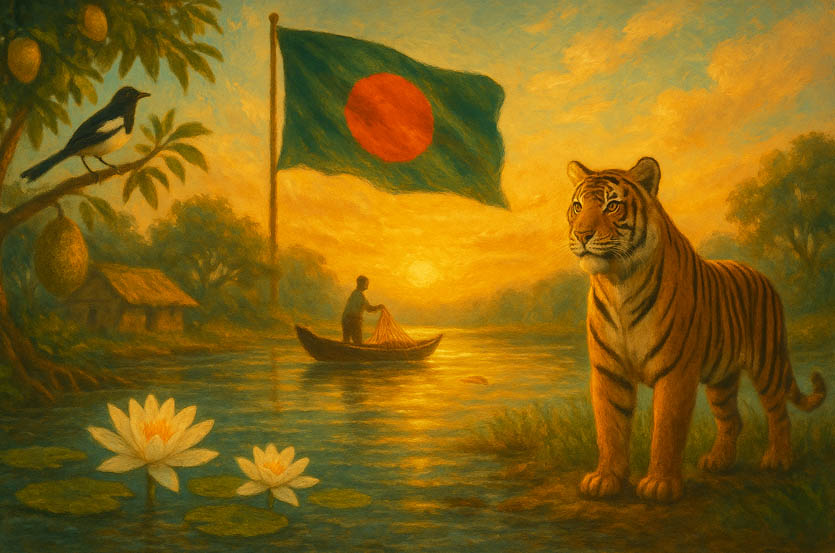
Bangladesh’s national symbols — Royal Bengal Tiger, Hilsa fisherman, Shapla flowers, Doyel bird, mango and jackfruit trees, and the national flag — set in a warm sunset river scene symbolising unity, beauty, and pride.

🇧🇩 The National Symbols of Bangladesh: Pride, Heritage, and Meaning

Every nation tells its story not only through words, but through the symbols that define its identity — its flag, anthem, flower, bird, and more. For Bangladesh, each national symbol carries a deep connection to its history, culture, and resilience. Together, they paint a vivid portrait of a land born from struggle, nourished by nature, and united by pride.

🏴 The National Flag – The Green and Red Emblem of Freedom

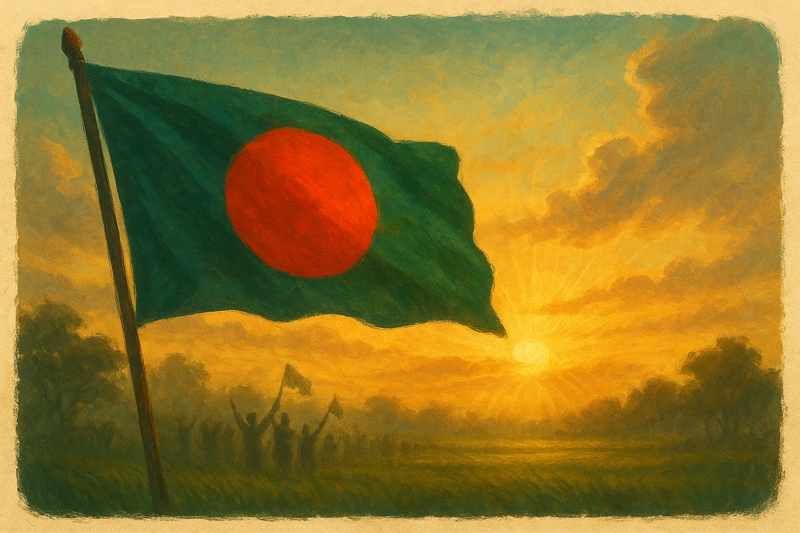
Adopted officially on January 17, 1972, the flag of Bangladesh is simple yet powerful. The green field represents the lush landscape of the country and the vitality of its people, while the red circle stands for the blood of those who sacrificed their lives for independence in 1971. It’s more than a flag — it’s a daily reminder of victory, sacrifice, and hope.

🎶 The National Anthem – “Amar Sonar Bangla”

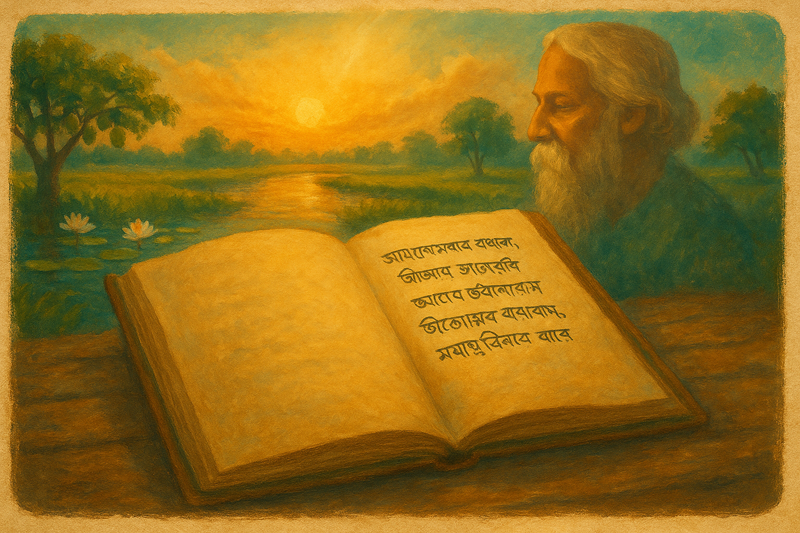
Written by the great poet Rabindranath Tagore in 1905, Amar Sonar Bangla (“My Golden Bengal”) became the national anthem when Bangladesh achieved independence. Its lyrics express love for the land, its rivers, and its beauty — capturing the emotion that still unites every Bangladeshi heart today.

🌼 The National Flower – The Water Lily (Shapla)

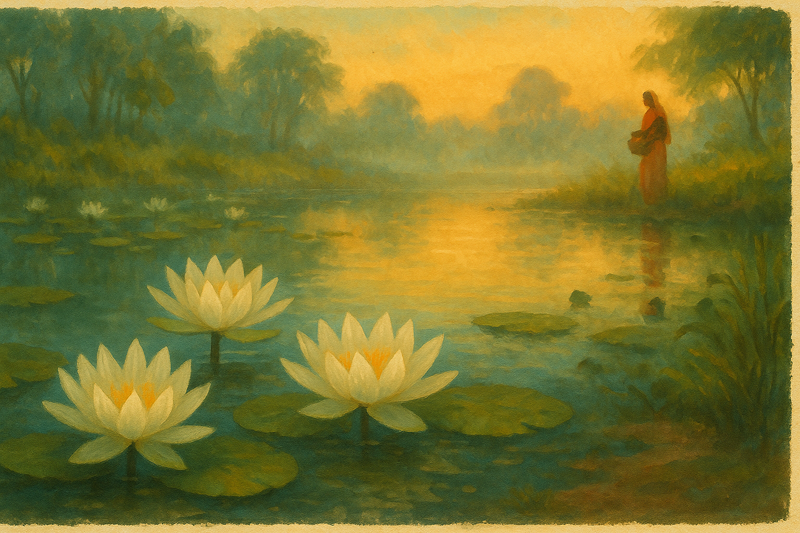
The Shapla (water lily) is found in almost every pond and river across Bangladesh. Its white petals floating gracefully on water symbolise purity, peace, and the connection between people and nature. It’s a fitting emblem for a country built around waterways — the veins of its life.

🦅 The National Bird – The Magpie Robin (Doyel)

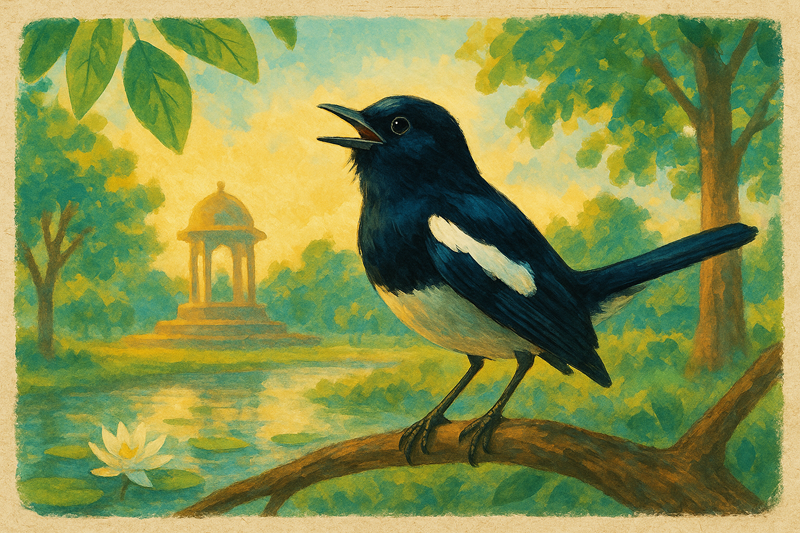
The cheerful Doyel is small but full of spirit. Its sweet song fills Bangladeshi mornings, and it’s even celebrated in Dhaka’s “Doyel Chattar”, a monument dedicated to the bird. Just like Bangladesh itself, the Doyel represents resilience, simplicity, and joy in everyday life.

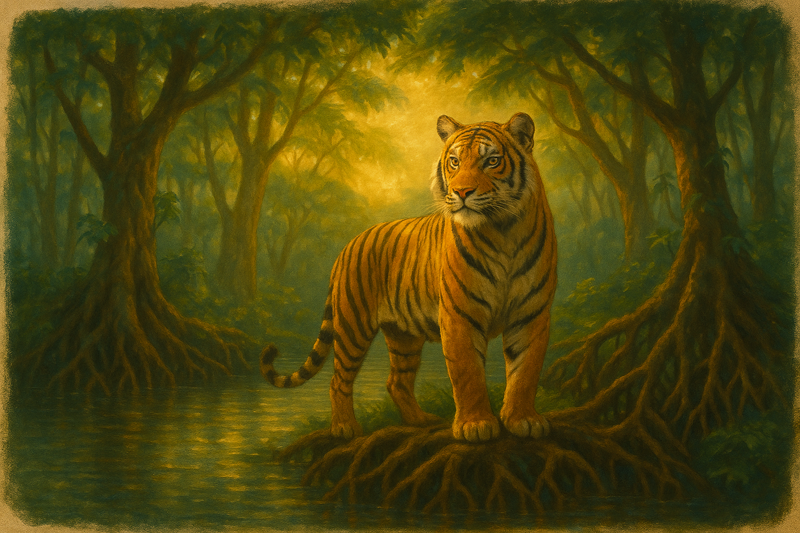
🐅 The National Animal – The Royal Bengal Tiger

Majestic and fierce, the Royal Bengal Tiger symbolises strength, courage, and the pride of the Sundarbans mangrove forest — one of the country’s natural wonders. This tiger is not only a national treasure but also a global icon of wildlife conservation.

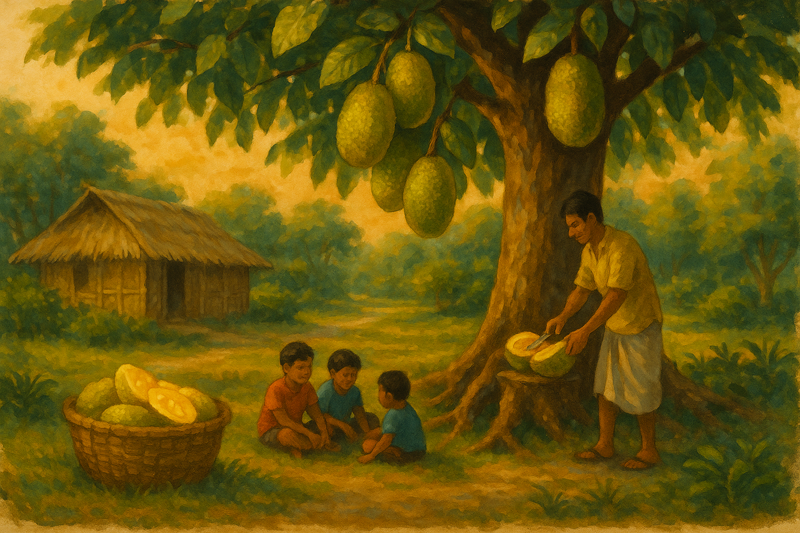
🌾 The National Fruit – The Jackfruit (Kathal)

Known for its rich taste and massive size, the Jackfruit holds a special place in Bangladeshi homes and hearts. It represents abundance and hospitality, often shared during gatherings and celebrations.

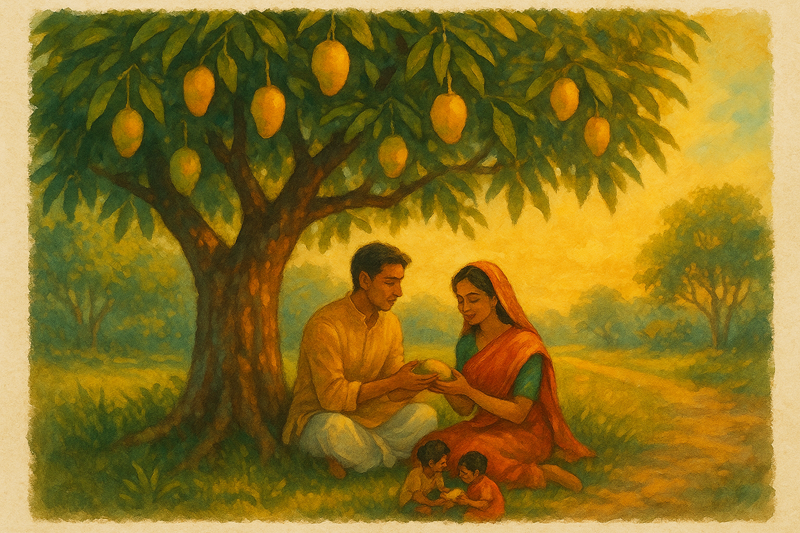
🌴 The National Tree – The Mango Tree (Aam)

The mango tree is loved for its shade, fragrance, and of course, its sweet fruit. Beyond that, it symbolises love, fertility, and the deep bond between people and the land. The mango also features in art, literature, and folk songs — a timeless part of Bengali life.

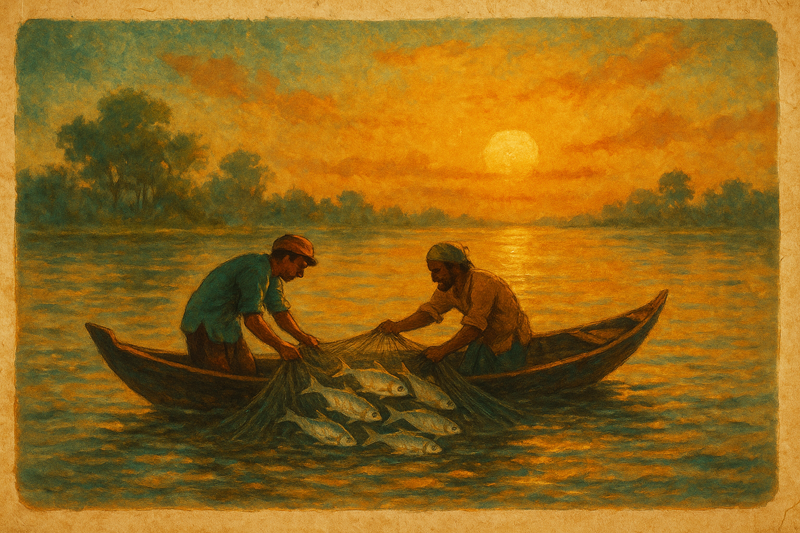
🐟 The National Fish – The Hilsa (Ilish)

No meal captures the soul of Bangladesh quite like Ilish maachh. Found in the mainly in  Padma, Meghna, and Jamuna rivers, the Hilsa is both a delicacy and a symbol of prosperity and unity. It connects families, festivals, and the waters that sustain the nation.

🇧🇩 The National Emblem – Unity in Diversity

Adopted in 1971, the national emblem features a water lily surrounded by rice sheaves, symbolising agriculture and life. Above it are four stars (representing nationalism, socialism, democracy, and secularism) and three jute leaves, the “golden fiber” that once powered the economy. It’s a perfect reflection of Bangladesh’s roots — proud, independent, and ever-growing.

💚 A Symbolic Soul

Together, these national symbols tell the story of Bangladesh — a country defined not just by land, but by love, courage, and connection. They remind every Bangladeshi, at home or abroad, that their heritage is rich, their flag sacred, and their story still unfolding.

🇧🇩 “Amar Sonar Bangla — a land where symbols live in every heart.”